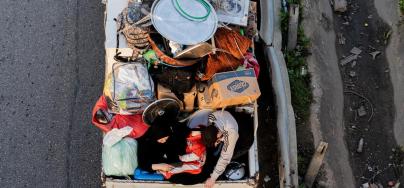
As the 16 Days of Activism against Gender-Based Violence begins, Oxfam gender justice lead for Central America and LGBTQIA+ activist, Natalia Marsicovetere, spells out the Covid-19 pandemic’s impact on LGBTQIA+ people in Guatemala, Honduras and El Salvador.
Why is it taken for granted that a person is “successful” because they are a self-made millionaire? Who decides what is a success, and what is a failure? These questions help us understand what dominant narratives are, how they are shaped, and how they affect our lives. It’s time for them to be contested. With the right tools, change movements can start to tell a new story.
This year, Oxfam leaders, experts, and partners are joining the UN 79th General Assembly, Summit of the Future, and Climate Action week in New York, hosting and attending events focused on UN Security Council Reform, gender, digital rights, inequality, climate action, and humanitarian issues.
A new study for Oxfam reveals that developing countries are pledging to cut their emissions of greenhouse gases by more than developed countries. Oxfam estimates that over 60 per cent of emissions cuts by 2020 are likely to be made by developing countries.
A broken food system and environmental crises are now reversing decades of progress against hunger according to new Oxfam analysis. Tomorrow, Oxfam launches a new global campaign to ensure everyone has enough to eat always.
In the last year extreme weather events shocked global markets contributing to soaring wheat prices and imperiling food security in many parts of the world, according to research compiled by Oxfam at the start of the Durban climate talks.
The G20 must scrap their most damaging biofuel policies and demand more open information about food stocks as part of urgent measures needed to tackle global food price volatility.
In six years time the number of people affected by climatic crises is projected to rise by 54 per cent to 375 million people, threatening to overwhelm the humanitarian aid system.